
Our Services
Protecting Homes. Restoring Comfort.
Reliable damp proofing and flood damage solutions tailored for your home
Damp Proofing
Understanding damp
Damp is a pervasive issue affecting buildings and structures, characterised by the presence of moisture on surfaces and within materials, which can lead to a range of detrimental effects.
Its primarily manifests in three forms:
Raising damp,
Penetrating damp
Condensation
Each type has a distinct causes and implications that warrants attention. The effects of damp extend beyond mere aesthetics; they can have serious health implications for those exposed to Mould and mildew. the presence of damp can significantly, reduce the value of your property, making it a pressing concern for homeowners and landlords.


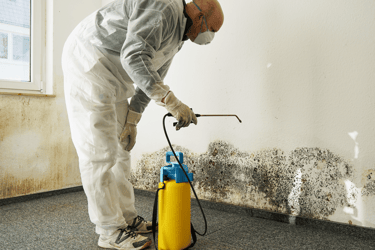
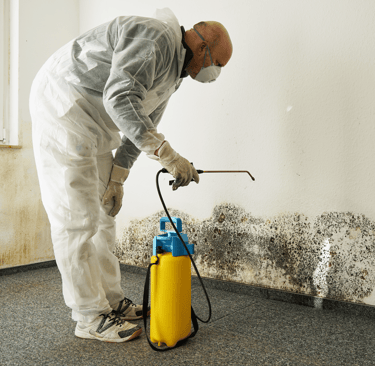
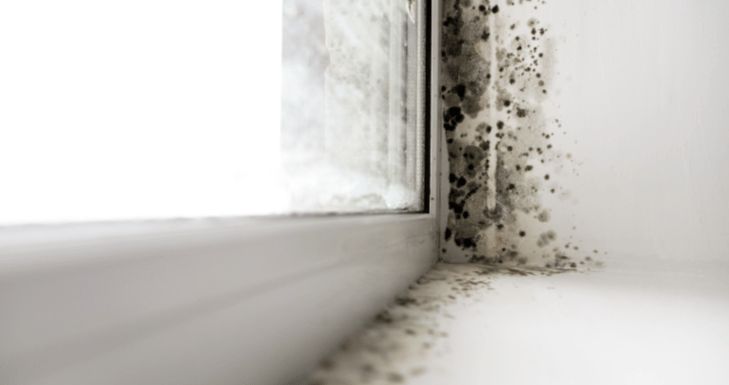
Mould
Mould is a type of fungus, it is a natural part of the environment, playing an essential role in decomposition of organic materials, there are thousands of Mould species, each type possesses unique characteristics, growth patterns, and potential health effects. Prolonged exposure can lead to respiratory diseases, allergies and a host of other health problems.
Mould can become present when ventilation is poor, condensation is high, especially in winter months when its cold and wet outside.
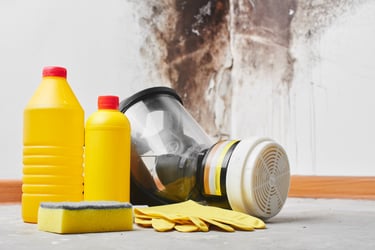
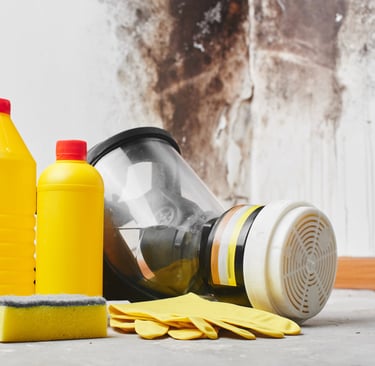
For small areas of mould, you can remove it safely by:
1. Wear gloves and a mask –
2. Open windows
3. Use a mould spray/ diluted bleach (1:10) or white vinegar (Never mix bleach with other cleaners)
4. Wipe and dry thoroughly
Seek professional help if:
If the mould keeps coming back
Walls feel damp
You see black mould spreading
There is a musty smell throughout the home
The affected area is larger than ~ 1 square metre
Rising damp
Rising damp occurs when groundwater rises through the soil and permeates the walls of the building, often due to failure in the damp-proof cause (DPC).
This moisture can result in unsightly stains, peeling paint, and musty Odor, ultimately compromising the structural integrity of the building and creating an unhealthy environment.


Penetrating damp
Penetrating damp is caused by water ingress from above, often due to faulty roofs, cracked walls, or inadequate drainage systems. This type of damp can lead to significant damage, including Mould growth, which poses health risks and can exacerbate respiratory issues for occupants.
Awaab’s law – is a UK housing law aimed at protecting social housing tenants from dangerous conditions. It places strict legal duties on social landlords like councils and housing associations.
AWAAB'S LAW

Condensation Control
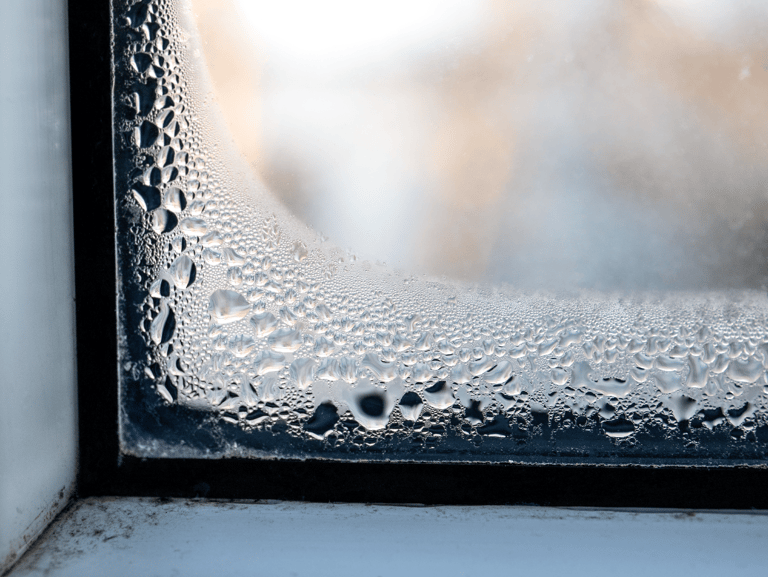
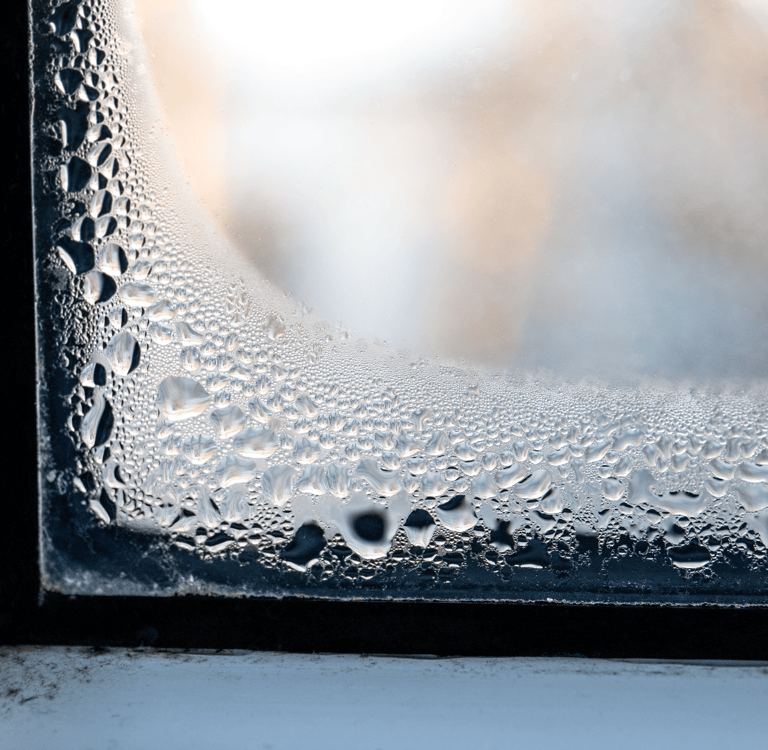
Condensation is another common form, typically arising in areas with poor ventilation and high humidity levels, such as bathrooms and kitchens. When warm, moist air encounters cold surfaces, it cools down and condenses into water droplets.
This accumulation not only contributes to aesthetic issues but also promotes Mould development, further complicating the living conditions within a space.
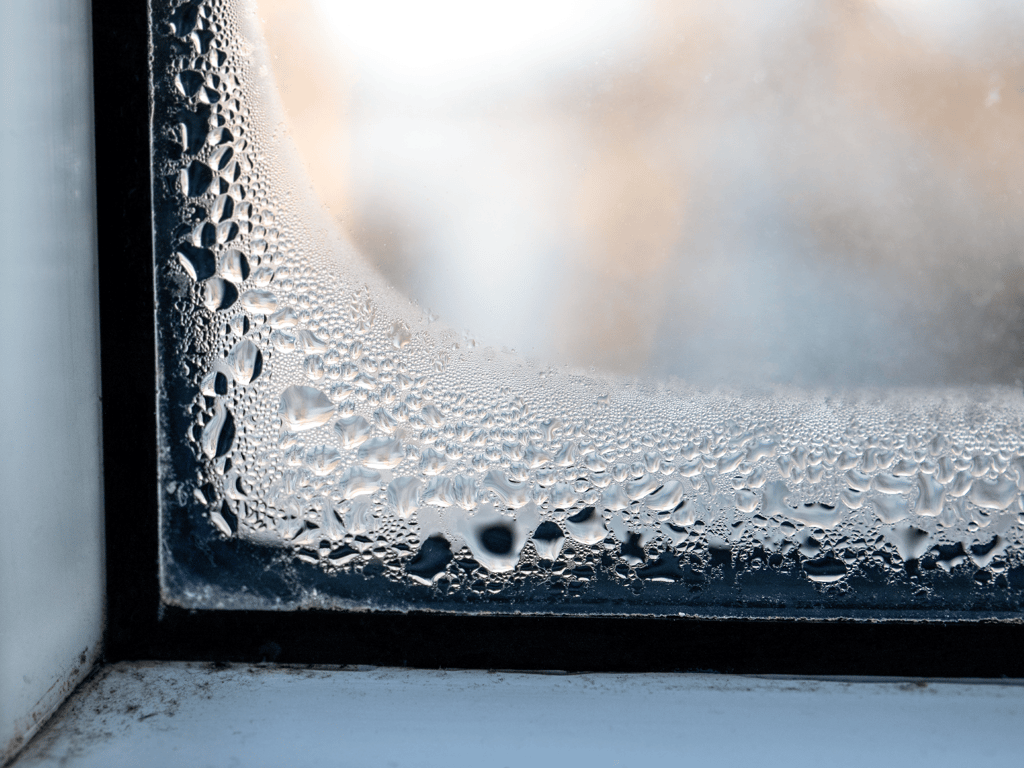
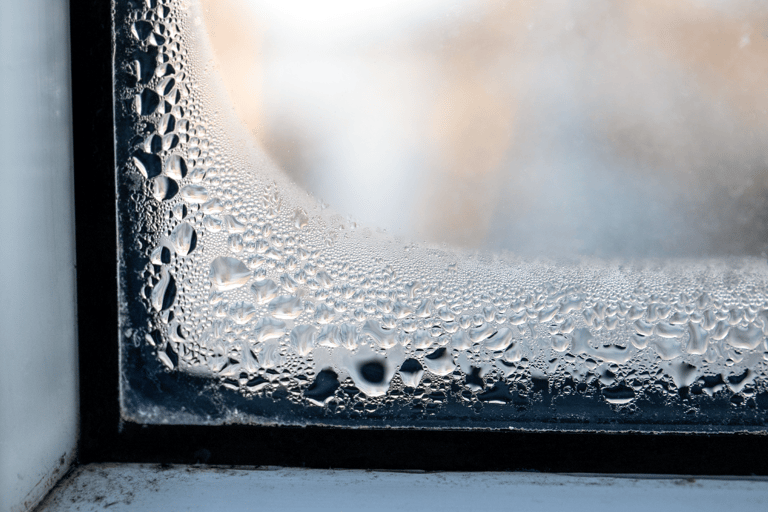
Having the right ventilation can help with preventing condensation, it simply means the process of bringing fresh air into the room and removing stale air. It helps keep air clean, control temperature, removes moisture, and reduce pollutants.
Which can include co2, smoke and Odors, improving humidity (prevents mould), improves comfort and health and reduces spread of airborne illnesses. You will need to check vents are unblocked and clean to help with he natural flow of ventilation systems.

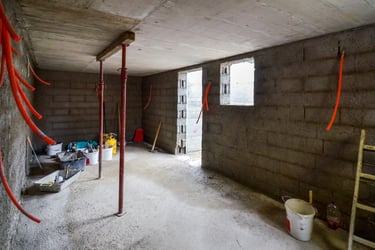
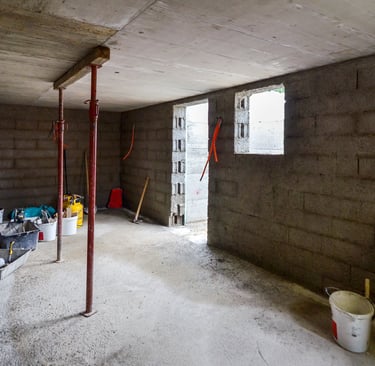
Structural Waterproofing: Tanking
Structural waterproofing refers to methods built into the structure (usually below ground level) to prevent water from entering it. It’s most commonly used in basements, foundations, tunnels, retaining walls, swimming pools, roof decks/ podium slabs and underground carparks.
in the UK there are typically 3 layers of protection type A, B and C.
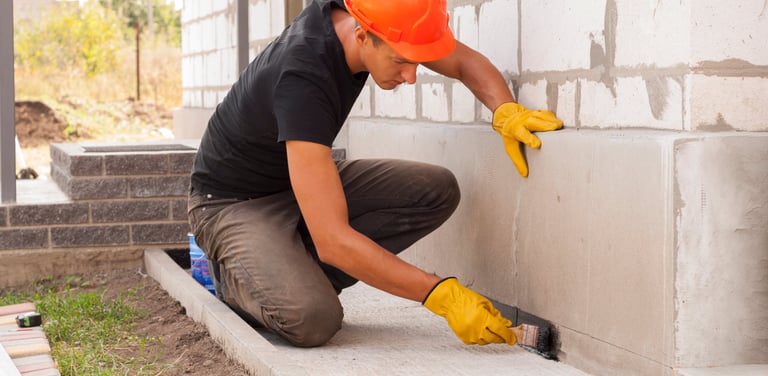
Type A: Barrier protection (Tanking)
A waterproof membrane or coating is applied to the inside or outside of the structure.
it can be:
*Cementitious coatings
*Bitumen membranes
*liquid applied systems
which works by physically blocking water. Commonly used basements walls, lift pits, foundations. They can be Cost-effective, widely used.
waterproofing is built into concrete itself.
uses:
waterproof concrete mixes
*crystalline admixtures
*water- resistant construction joints.
typical in New- built basements
Underground parking structures.
very durable and part of the structure.
Type B: Structurally integral protection:


Type C: Drained protection (Cavity systems):
instead of stopping water entirely, it controls and channels water away.
uses:
Cavity drain membranes
Drainage channels
Sump pumps
Most common for:
Basement conversions
Retrofit waterproofing
Very reliable, and easy to maintain.


In many projects combined systems are used for higher protection levels. Simple way to remember:
Type A:- Stops water
Type B:- Resists water
Type C:- Manages water
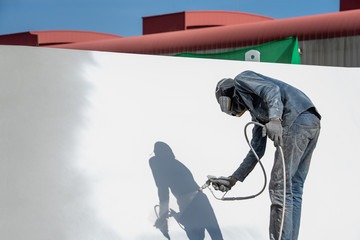
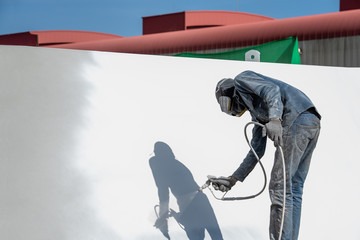
Wall coatings
Wall coatings for damp proofing is important because the wrong type can actually make damp worse!
Damp-proof paint (Liquid DPM)
Most common internal coating – a thick waterproof paint that forms a flexible moisture barrier on masonry. Usually applied with 2 coats to walls and floors, It helps stop water vapour and penetrating damp. You can use it on interior walls with penetrating damp, minor rising damp, basement walls, bathrooms and wet rooms. It has a fully waterproof membrane, can be painted over afterwards and works on brick, concrete, plaster and render.
Note: it doesn’t fix the cause just blocks the moisture and not ideal for severe water pressure or structural leaks.


Tanking slurry/ cementitious coatings – for heavy damp or basements.
It is a cement- based waterproof coating brushed onto bare masonry which creates a hard waterproof barrier. You can use it in basements, cellars or below ground walls. It is very strong waterproofing and handles hydrostatic pressure.
Note: requires surface prep and replastering and is less breathable.


Mainly used outside of the building, it’s a clear or coloured breathable coating, it repels rainwater while allowing moisture inside to escape. It helps prevent penetrating damp from outside, it doesn’t change brick appearance and can improve insultation slightly, it’s best for solid brick walls and damp from driving rain.
*Bitumen or epoxy coatings
Heavy duty waterproof barrier which can be used for floor, retaining walls and underground structures. Its very waterproof and has a strong seal mainly used for structural applications.
External water-repellent coatings (silane/siloxane)
K-render – Silicone- based external wall coating/ render system.
Widely used in the Uk for weatherproofing and improving damp resistance.
Unlike normal sand-cement render, it is water-repellent (stops rain penetration), breathable (lets trapped moisture escape), crack- resistant and flexible and low maintenance. Think of it as both decorative finish + protective damp barrier.


Woodworm
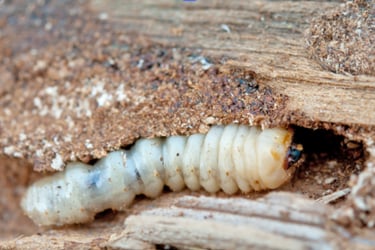
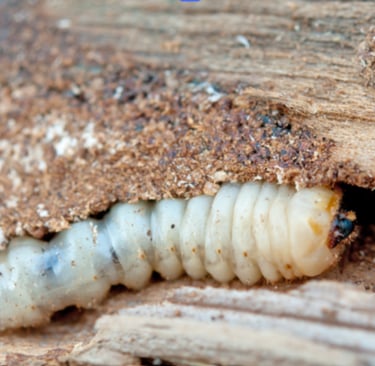
Woodworm is a term commonly used to describe the larval stage of various wood-boring beetles, but the lifecycle generally comprises three main stages: egg, larvae, and adult. Adult beetles emerge from the wood but lay eggs in cracks and crevices, then the larvae then tunnel through the wood as they feed, creating small exit holes that often serve as indicators of an infestation. They infest timber structures, leading to significant damage if left untreated.
These pests are primary found in properties with wooden beams, flooring, furniture, and other wooden elements. The presence of woodworm is not merely an aesthetic concern; it poses serious risk to the structural integrity of buildings.
To effectively manage woodworm infestations, it is crucial to identify the signs early. The tiny exit holes, often measuring 1-2mm in diameter, are one of the most recognizable indicators.
Additionally, frass, a powdery residue left behind by feeding larvae, can often be found near the affected timber. Prevention plays a vital role in combating woodworm infestations.
Proper ventilation and humidity control within the building are essential. When infestation does occur, various treatment options are available. Chemical treatments, including insecticides and wood preservatives, can effectively eradicate woodworm populations. These products penetrate the wood and kill larvae preventing further damage. In severe cases, replacing infested wood may be necessary to ensure structural integrity of the building.
Flood Damage
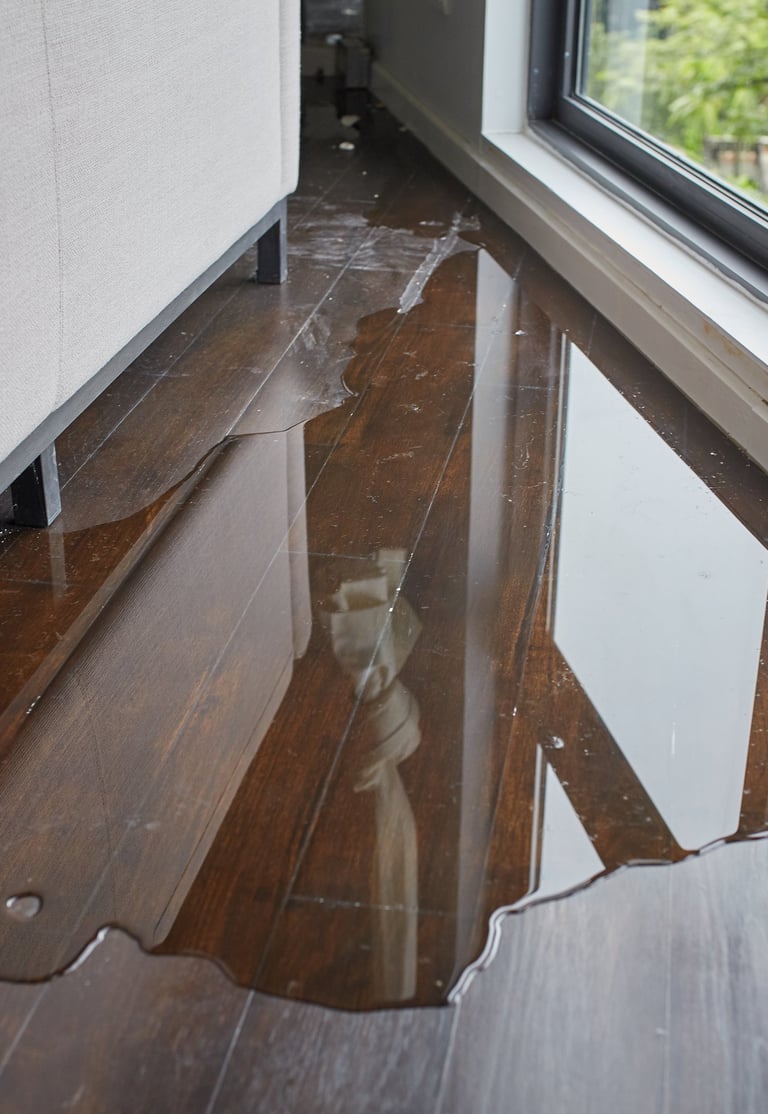
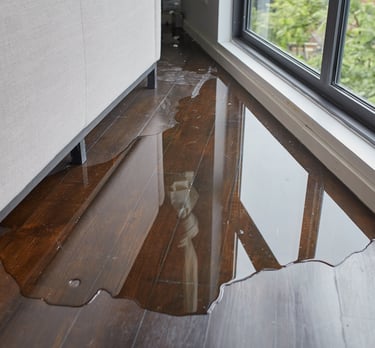
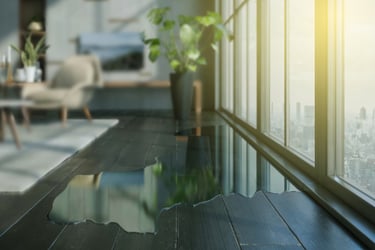
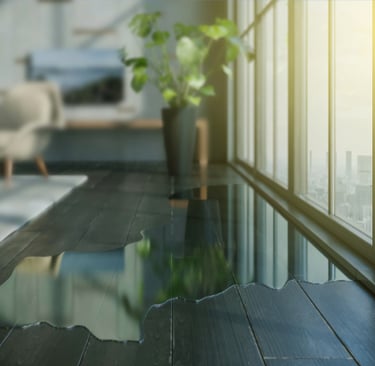
Flood damage refers to the harm caused when water inundates land, buildings or infrastructure. It can happen from heavy rain, rivers overflowing, storm surges, burst pipes or drainage failures.
Flood damage can cause structural damage, weaking foundations, walls and floors, can create cracks, warping or collapse in severe cases.
Flooding can cause electrical and mechanical damage- short, circuited wiring, damaged appliances, heating systems and boilers can be affected. Floodwater often contains sewage, chemicals and debris.
Good prevention tips can be to install flood barriers or air brick covers, improve drainage and gutter maintenance, consider flood-resistant flooring/materials.
Many home insurance policies cover flood damage but check exclusions. Typical repairs after flooding can include but not limited to:
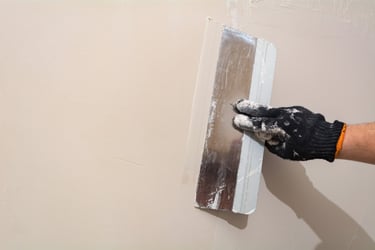
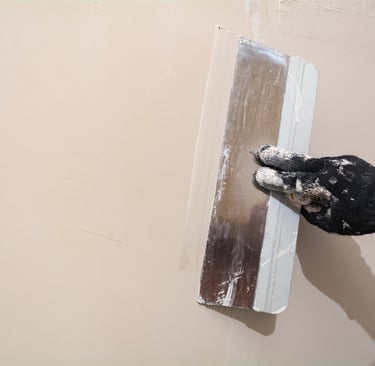
Replastering walls
Replacing insultation and flooring
Repairing woodwork
Repainting with moisture-resistant paint
Damp coursing Injection -DPC
Damp-proof course injection is a common method used to treat raining damp in masonry walls, especially in older homes that either don’t have a DPC or where the original one has failed.
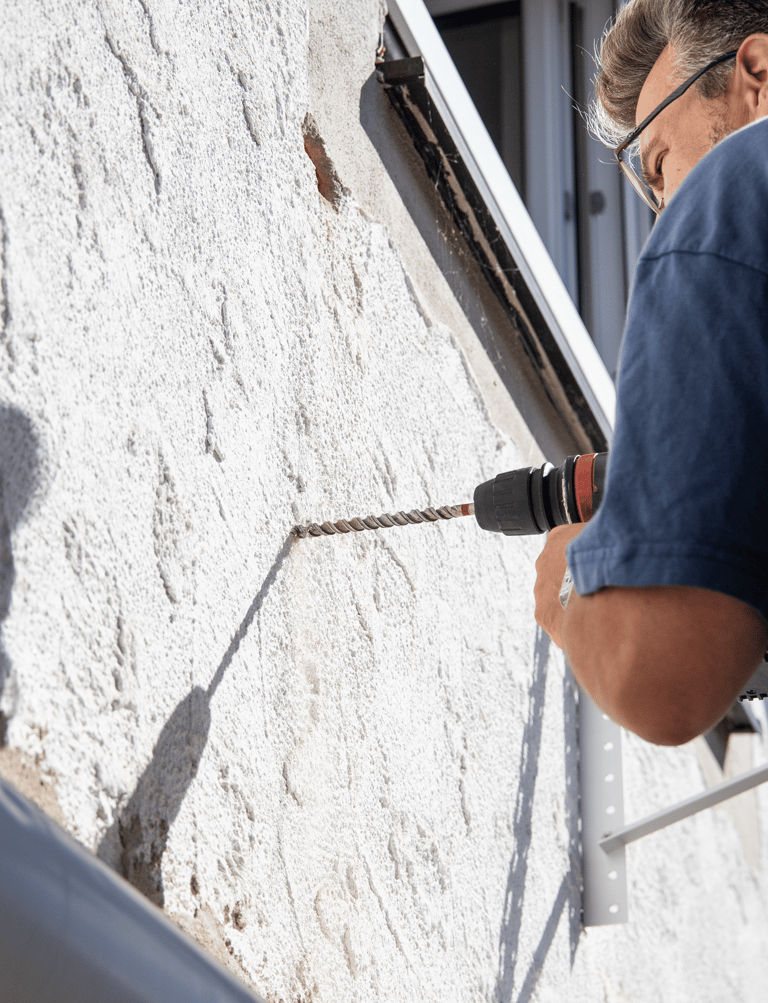
It’s a chemical barrier that is inserted into holes drilled along a horizontal mortar joint above the ground level. The chemical spreads through the masonry and dorms a water-repellent barrier, acting like a new damp proof course.
It’s appropriate to do the drilling injection when moisture is rising from the ground up the wall (raising damp), symptoms include tide marks, salt deposits, blown plaster, or rotting skirtings near the floor level. It’s most common in older properties where the original DCP is missing or has failed.
It consists of drilling holes in the mortar joint, injecting the damp proof cream, allowing time to cure and removing and replacing salt- contaminated plaster. It’s less disruptive than installing a physical DPC and is widely used and relatively quick to do.

Products we use
We only use the best products with high quality for damp proofing solutions designed to stop rising damp and protect masonry walls.
All work carried out comes with a 10-year / 20-year guaranteed certificate depending on the products we use to carry out the work that is needed


Contact
Reach out for reliable damp proofing help
Phone
© 2025. All rights reserved.